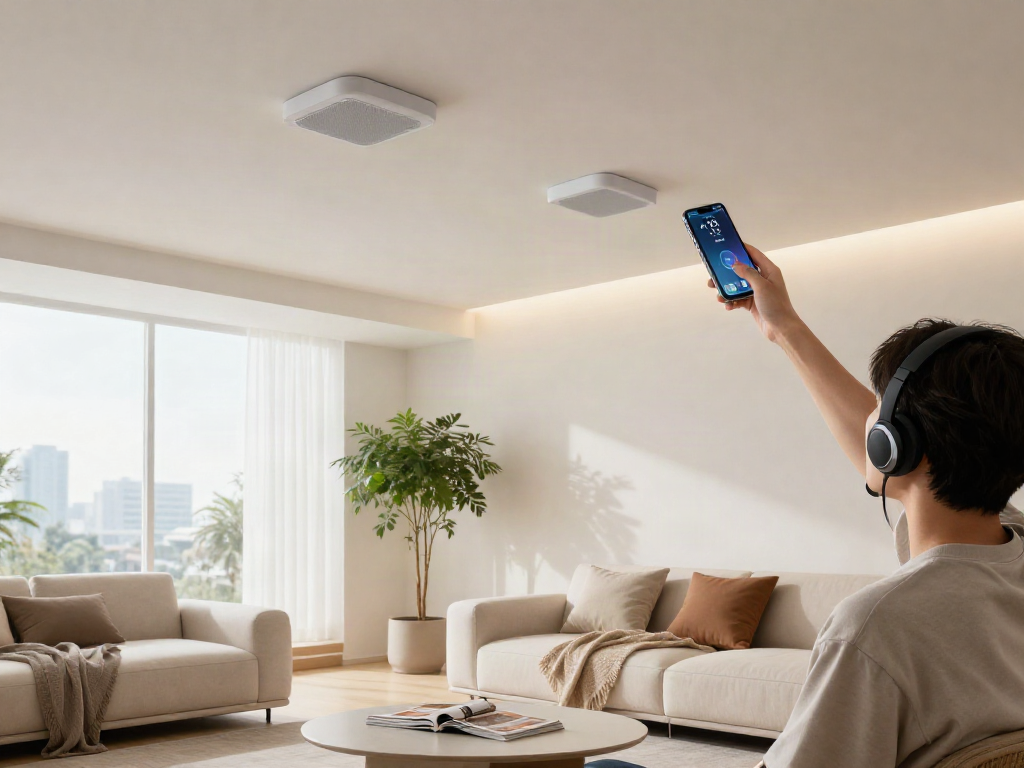
Understanding Ceiling Speakers and Their Benefits
Ceiling speakers have become a staple in modern audio installations, providing a sleek and unobtrusive way to enjoy high-quality sound throughout your home or office. Unlike traditional speakers, ceiling-mounted options seamlessly blend into the architecture, delivering sound without occupying floor space. This innovative design has made them increasingly popular in a variety of settings, from residential homes to commercial venues. When exploring options, خرید اسپیکر سقفی can provide comprehensive insights for tailored audio solutions.
What Are Ceiling Speakers?
Ceiling speakers are embedded audio devices installed directly into the ceiling, allowing for a clean and aesthetic look. Typically, they consist of a woofer and a tweeter housed in a circular or square grille, which can be painted to match the ceiling’s color. They are available in various sizes, styles, and configurations, offering flexibility to cater to different audio needs. Their installation often involves cutting a hole in the ceiling and securing the speaker using mounting brackets.
Advantages of Using Ceiling Speakers
One of the primary advantages of ceiling speakers is their ability to deliver sound evenly across a room, eliminating the need for bulky floor-standing speakers. Other benefits include:
- Space-saving: Ideal for smaller rooms where floor space is limited.
- Discreet installation: Enhances the aesthetic appeal of the room without visible wires or speakers.
- Multi-room audio capabilities: Easily integrated into a whole-home audio system for distributed sound throughout the property.
- Even sound dispersion: Provides consistent sound quality, minimizing dead spots in a room.
Common Misconceptions About Ceiling Speakers
Despite their growing popularity, several misconceptions about ceiling speakers persist. One common myth is that they cannot provide high-quality audio. In reality, many models offer excellent sound performance, rivaling traditional speaker systems. Another misconception is that installation requires professional assistance; while professional installation can ensure optimal placement, many ceiling speakers are designed for DIY installation.
Choosing the Right Ceiling Speaker for Your Space
Selecting the right ceiling speaker depends on several factors, including room size, audio preferences, and the type of audio system in place. It's essential to consider the specific needs of your space and your listening habits for the best results.
Factors to Consider for Installation
When planning your ceiling speaker installation, consider the following factors:
- Room Size: Larger rooms may require multiple speakers to achieve balanced sound.
- Speaker Power Rating: Ensure the speaker can handle the wattage required for your audio system.
- Impedance: Choose speakers with impedance that matches your amplifier for optimal performance.
- Ceiling Material: The type of ceiling (drywall, concrete, etc.) may influence the installation method.
Types of Ceiling Speakers Available
There are two primary types of ceiling speakers:
- Passive Speakers: These require an external amplifier to power them. They can provide better sound quality but require more setup.
- Active Speakers: These have built-in amplifiers and are easier to install since they connect directly to power sources and audio inputs.
Best Practices for Matching Speakers to Room Size
To ensure optimal sound quality, the number and type of speakers should be matched to the room size. For small rooms, a pair of speakers can suffice, while larger spaces may benefit from multiple paired speakers to distribute sound evenly. Remember that the power and sensitivity of the speakers should also be appropriate for the size of the room.
Installation Guide for Ceiling Speakers
Installing ceiling speakers can be a rewarding project, allowing you to take control of your audio setup. Here, we will break down the installation process into manageable steps.
Step-by-Step Installation Process
- Gather Tools: You will need tools such as a stud finder, drill, saw, speaker wire, and a screwdriver.
- Choose a Location: Determine where the speakers will be installed, considering the room's layout and sound distribution.
- Cut the Hole: Use a template to cut the correct size hole for the speaker. Ensure there are no obstructions like wiring or plumbing.
- Run the Wiring: Connect speaker wire from your audio source to the speaker location, ensuring to pull enough wire for connections.
- Secure the Speaker: Attach the speaker securely in the ceiling, following the manufacturer’s instructions.
- Test the Setup: Once installed, turn on your audio system to ensure everything functions correctly.
Common Installation Challenges and Solutions
During installation, you may encounter various challenges. Common issues include:
- Obstruction in the ceiling: Use a stud finder to avoid cutting into electrical wiring or plumbing.
- Sound quality issues: Ensure speakers are placed at equal distances from each other and are angled correctly for optimal sound direction.
- Difficulty accessing wiring: Use access panels if running speaker wire through ceilings, especially in older homes.
Hiring a Professional vs. DIY Installation
While many choose to install ceiling speakers themselves, hiring a professional can ensure optimal placement and configuration. If you are comfortable handling tools and following guides, DIY installation can be rewarding and cost-effective. However, professionals have the experience to tackle unexpected challenges effectively.
Enhancing Your Audio Experience with Ceiling Speakers
Once your ceiling speakers are installed, enhancing your audio experience becomes a priority. The possibilities for customization and integration are vast.
Setting Up a Multi-Room Audio System
A multi-room audio system allows you to enjoy music throughout your home. This can be achieved by connecting your ceiling speakers to a central audio hub that distributes sound across various rooms. Consider using a wireless system that allows for zoned audio control, enabling you to play different music in different areas.
Integrating Smart Home Technology
Integrating ceiling speakers with smart home technology can significantly enhance your audio experience. Smart speakers can be voice-controlled using platforms like Amazon Alexa or Google Assistant, allowing for hands-free operation. Furthermore, you can use smart home apps to manage audio settings, playlists, and even set schedules for your audio systems.
Tips for Optimal Sound Quality
To ensure your speakers perform at their best, consider the following tips:
- Angle the speakers: Position them to face the main listening area for better sound delivery.
- Use quality audio receivers: A high-quality audio receiver can make a significant difference in sound performance.
- Consider acoustic treatment: Adding rugs, curtains, or acoustic panels can minimize sound reflections and enhance audio clarity.
Future Trends in Ceiling Speaker Technology
The audio landscape is continuously evolving, and ceiling speakers are no exception. Stay informed about emerging trends that will shape your listening experience in the coming years.
Emerging Technologies for Home Audio in 2026
By 2026, advancements in audio technology may include improved wireless capabilities, enhanced audio processing software, and higher-resolution sound formats. Brands are expected to focus on developing speakers that not only deliver exceptional sound but also integrate seamlessly with smart home ecosystems.
Impact of Streaming Services on Audio Preferences
As streaming services continue to dominate the music landscape, audio quality preferences are shifting. Listeners are increasingly seeking high-fidelity audio experiences, pushing manufacturers to develop ceiling speakers capable of reproducing the best sound quality available. Expect an increase in speaker options optimized for streaming services, including support for high-resolution audio files.
Predictions for the Evolution of Ceiling Speakers
In the upcoming years, ceiling speakers are likely to become more versatile and feature-rich, including built-in voice assistants and improved connectivity options. The focus will be on user-friendly designs that cater to a wide range of audio needs while maintaining an aesthetic appeal.
What Are the Best Ceiling Speakers for My Home?
The best ceiling speakers for your home depend on various factors such as room size, audio preferences, and budget. It’s recommended to explore reputable brands that offer speakers designed for high performance while fitting your specific requirements.
How Do I Optimize Sound Quality from Ceiling Speakers?
Optimize sound quality by experimenting with speaker placements, using quality audio sources, and ensuring that your listening environment is acoustically treated to reduce unwanted reflections.
Can I Install Ceiling Speakers Myself?
Yes, many ceiling speakers are designed for DIY installation. However, ensure you follow the manufacturer's guidelines and have the necessary tools to achieve the best results.
What Are the Costs Associated with Ceiling Speaker Installation?
Costs can vary widely, depending on factors such as speaker quality, installation complexity, and whether you opt for professional help. Budgeting for both equipment and potential installation services is advisable.
Are Ceiling Speakers Worth the Investment?
Ceiling speakers are often a worthwhile investment for those seeking high-quality sound without sacrificing aesthetics. Their ability to provide versatile audio solutions in various settings can enhance the overall audio experience.