








The Rise of Street Art: Cultural Impact and Significance
Street art has evolved from being an underground movement to a significant cultural phenomenon that reflects urban identity, societal issues, and artistic expression. As artists like Clinton Orr push the boundaries of creativity, street art is increasingly recognized for its legitimacy as a form of contemporary art. This article delves into the origins of street art, its role in shaping community identity, and showcases notable case studies that highlight successful street art initiatives.
Understanding the Origins of Street Art
Street art emerged in the late 20th century, deeply rooted in graffiti culture. Initially, it was a form of rebellion against the establishment, often seen as vandalism. The early practitioners used public spaces to express their discontent with societal norms, creating a voice for the marginalized. Over time, as the art form gained popularity, it evolved to incorporate various styles and techniques, ranging from stenciling and mural painting to stickers and installations.
The Role of Street Art in Community Identity
Street art serves as a mirror to the community, encapsulating its struggles, aspirations, and unique character. Artists like Clinton Orr contribute to this discourse by infusing their works with local narratives, engaging residents in dialogues about their shared environments. From politically charged murals to vibrant depictions of local culture, street art fosters a sense of pride and belonging among community members.
Case Studies: Successful Street Art Initiatives
- The Wynwood Walls, Miami: An outdoor mural museum showcasing large-scale works from international street artists, transforming a once-neglected area into a thriving art district.
- Berlin’s East Side Gallery: A testament to the reunification of Germany, this gallery features murals painted on the remnants of the Berlin Wall, symbolizing hope and freedom.
- Detroit’s Murals in the Market: An initiative that brings artists to paint murals across the city’s Eastern Market, revitalizing the area and attracting tourism.
Clinton Orr’s Influence in Contemporary Street Art
As a notable artist within the street art scene, Clinton Orr has redefined what it means to create in public spaces. His innovative approach combines traditional techniques with modern themes, making his work both accessible and thought-provoking. By examining his methods and notable pieces, we can appreciate how he contributes to the broader narrative of contemporary street art.
Innovative Techniques Used by Clinton Orr
Clinton Orr is well-known for his unique blend of realism and abstract elements, which captivate passersby. He employs techniques such as layering, mixed media, and community collaboration, allowing him to create pieces that resonate deeply with local audiences. His use of recycled materials not only enhances his artistic message but also promotes environmental awareness.
A Closer Look at Notable Works
Among his most acclaimed pieces is “Urban Reflections,” a mural that encapsulates the struggles of urban living while celebrating the resilience of the community. Another significant work is “Voices of the Past,” which pays homage to local heroes through powerful imagery and slogans, prompting viewers to reflect on their history.
Collaborations and Community Involvement
Clinton Orr actively encourages collaboration by engaging with local artists and residents. His workshops promote artistic expression, fostering talent within the community. Initiatives such as “Art in the Alley” aim to beautify neglected spaces while reinforcing community bonds, showing that art can be a vehicle for social change.
Challenges and Controversies in Street Art
Despite its growing acceptance, street art faces numerous challenges. Legal issues, public perception, and the balance between commercialism and authenticity pose significant hurdles for artists trying to navigate this complex landscape.
Legal Issues Surrounding Street Art
Many street artists grapple with the legality of their work. While some municipalities have begun to embrace street art through designated areas and festivals, others continue to enforce strict anti-graffiti laws. This dichotomy forces artists like Clinton Orr to walk a fine line between artistic expression and potential legal repercussions.
Public Perception and Acceptance
Public opinion on street art varies widely. While some view it as vandalism, others appreciate it as a legitimate art form that enhances urban aesthetics. Dialogue within communities is essential to shift perspectives and embrace the positive contributions of street art.
Balancing Commercialism and Authenticity
As street art becomes more mainstream, the line between commercialism and authenticity blurs. Artists face the challenge of staying true to their roots while adapting their work for commercial projects. This tension highlights the need for artists to navigate their identities carefully to maintain credibility and artistic integrity.
Future Trends in Street Art for 2026
The future of street art promises exciting developments as technology and societal trends intersect. As we look ahead to 2026, several trends point to how this dynamic art form will continue to evolve.
Technological Innovations Influencing Street Art
Augmented reality (AR) and digital platforms are transforming the way audiences engage with street art. Artists can create interactive experiences that enhance viewer participation, enabling deeper connections with their work. These innovations open new avenues for storytelling and engagement, pushing the boundaries of traditional street art.
Predictions for Street Art in Urban Spaces
Urban spaces will likely become hotspots for immersive street art experiences, as cities recognize the potential of art to activate public spaces. As cities evolve, outdoor galleries and curated art walks will foster tourism while enriching community narratives.
Clinton Orr’s Vision for the Future of Art
Clinton Orr envisions a future where art is inclusive, collaborative, and anchored in community identities. He advocates for integrating street art into urban planning and education, ensuring that art remains a vibrant part of public discourse.
Getting Involved: How to Support Local Street Art
Supporting local street art can stimulate community engagement and promote creativity. There are several ways individuals can contribute to this vibrant movement.
Participating in Community Art Projects
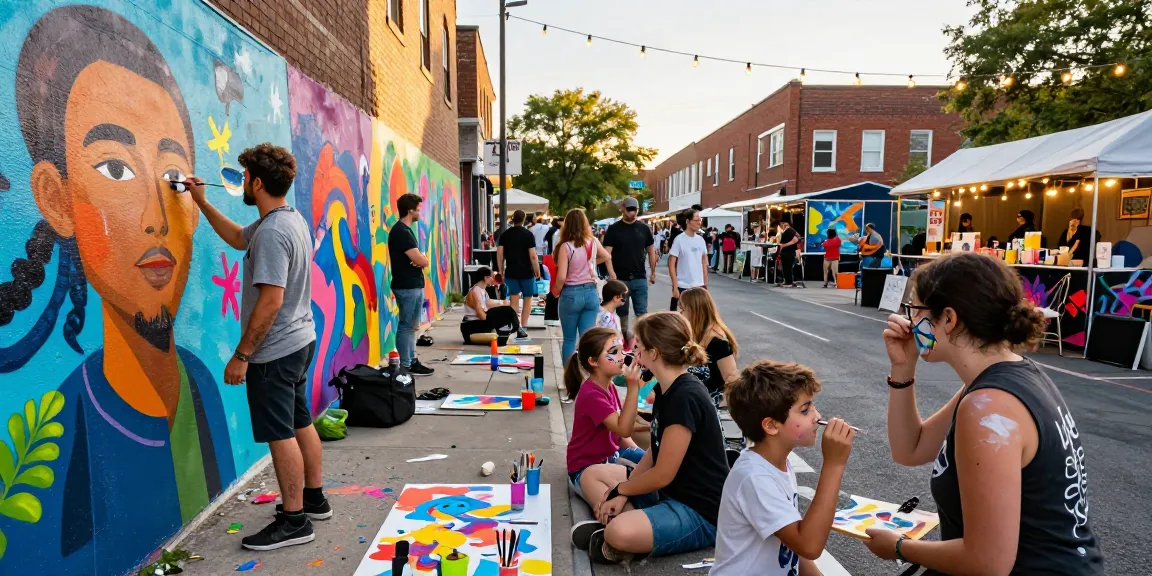
Engaging in local art projects provides an opportunity for residents to express their creativity and connect with others. Initiatives often welcome volunteers for mural painting, workshops, and community clean-up efforts, fostering a sense of ownership and pride.
Promoting Street Art through Social Media
Social media platforms serve as powerful tools for promoting street art. By sharing images of local pieces and supporting artists, individuals can increase visibility and appreciation for the art form.
Visiting and Supporting Local Artists
Attending street art events and visiting local galleries is crucial for supporting artists. Purchasing artworks directly from artists or participating in fundraising events helps sustain the community and encourages future projects.
What are the key elements of street art?
Key elements of street art include its use of public spaces, the integration of social commentary, vivid colors, and often large-scale designs that transform ordinary urban landscapes into vibrant canvases.
How can I discover local street art events?
To find local street art events, consider following local art blogs, city tourism boards, and community boards. Social media platforms, like Instagram, also showcase upcoming events and artist collaborations.
What makes Clinton Orr’s work unique?
Clinton Orr’s work stands out due to his distinctive integration of local stories, vibrant visuals, and community engagement strategies. His commitment to social themes and environmental consciousness resonates with diverse audiences.
What are common misconceptions about street art?
Common misconceptions about street art include the belief that it is merely vandalism, fails to convey serious messages, or lacks artistic merit. In reality, street art is a legitimate form of expression that often challenges social norms and fosters community engagement.
How does street art enhance community engagement?
Street art encourages conversations among residents, beautifies neighborhoods, and creates a shared sense of cultural identity. It transforms public spaces into galleries that reflect the community’s diverse voices and experiences.