
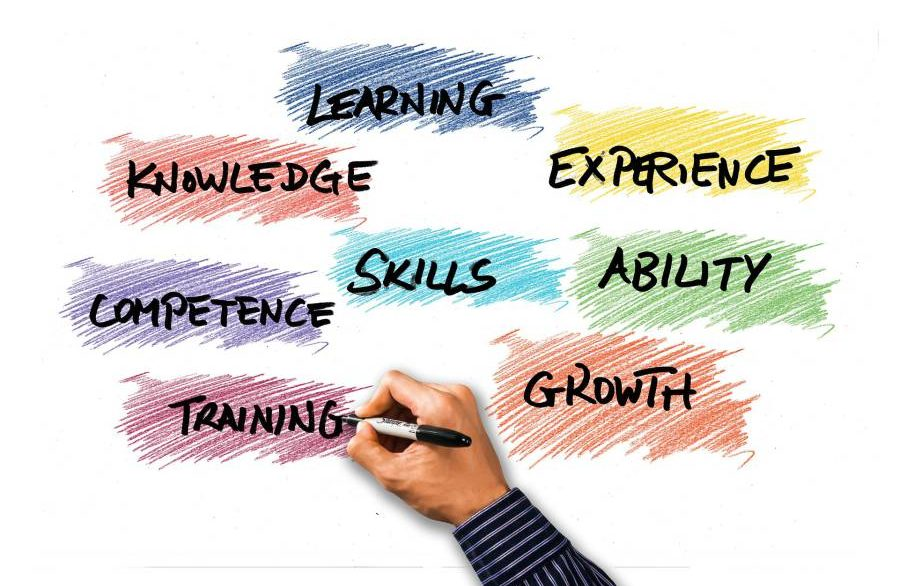
In today’s rapidly evolving business environment, organizations can no longer rely solely on existing skills and knowledge. Technology, market demands, and customer expectations are changing faster than ever. To stay competitive, companies must build a strong learning culture in the workplace—one that encourages employees to continuously improve, adapt, and grow. A workplace that prioritizes learning is not only more innovative but also more productive, engaged, and resilient in the face of change.
Understanding What a Learning Culture Means
A learning culture in the workplace refers to an environment where continuous learning is embedded into everyday work practices. It is not limited to formal training sessions or workshops. Instead, it promotes curiosity, knowledge sharing, and skill development at all levels of the organization.
In such a culture, employees are encouraged to ask questions, explore new ideas, and learn from both successes and failures. Leadership plays a key role in supporting this mindset by providing resources and opportunities for professional development.
Why Learning Culture Matters for Modern Businesses
Organizations that prioritize learning are better equipped to handle disruption and innovation. A strong learning culture ensures that employees are constantly upgrading their skills to match industry demands.
It also improves employee engagement and retention. When employees feel that their growth is supported, they are more likely to stay committed to the organization. This reduces turnover and builds a more stable and skilled workforce over time.
Leadership Commitment to Learning
Building a learning culture starts with leadership. Managers and executives must actively demonstrate their commitment to continuous learning. When leaders prioritize development, employees are more likely to follow their example.
This can include participating in training programs, sharing knowledge with teams, and encouraging open discussions. Leadership involvement sends a clear message that learning is not optional but a core part of the company’s values.
Encouraging Continuous Skill Development
One of the most important aspects of a learning culture is ongoing skill development. Employees should be given opportunities to upgrade their technical and soft skills regularly.
This can be achieved through online courses, workshops, mentorship programs, and certifications. Encouraging employees to take ownership of their learning journey leads to better performance and career growth. It also helps organizations stay competitive in a rapidly changing market.
Understanding the benefits of continuous learning and development is essential for both employees and employers, as it directly contributes to innovation, productivity, and long-term success.
Creating a Knowledge-Sharing Environment
A strong learning culture thrives on knowledge sharing. Employees should feel comfortable sharing their experiences, insights, and expertise with colleagues.
Organizations can encourage this by creating internal knowledge-sharing platforms, hosting team discussions, or organizing learning sessions. When employees learn from each other, it strengthens collaboration and improves overall team performance.
Leveraging Technology for Learning
Technology plays a vital role in building a modern learning culture. Digital learning platforms, online courses, and AI-powered training tools make learning more accessible and flexible.
Employees can learn at their own pace and choose content relevant to their roles. Many organizations now use learning management systems (LMS) to track progress and recommend personalized learning paths. This ensures that development is structured, measurable, and aligned with organizational goals.
Promoting a Growth Mindset
A learning culture is closely linked to a growth mindset—the belief that abilities can be developed through dedication and effort. Employees with a growth mindset are more open to challenges and see failures as learning opportunities.
Organizations can promote this mindset by encouraging experimentation and reducing fear of failure. When employees feel safe to try new approaches, they become more innovative and confident in their abilities.
Providing Regular Feedback and Recognition
Feedback is a powerful tool for learning and development. Regular, constructive feedback helps employees understand their strengths and areas for improvement.
In addition to feedback, recognition plays an important role in motivating employees to continue learning. Acknowledging achievements, certifications, and skill improvements encourages others to follow the same path. This creates a positive cycle of motivation and growth within the organization.
Integrating Learning into Daily Work
Learning should not be treated as a separate activity but as part of daily work. When learning is integrated into everyday tasks, employees develop skills more naturally and consistently.
For example, managers can assign projects that require employees to learn new tools or techniques. Teams can also conduct short learning sessions during meetings. This approach ensures continuous development without disrupting productivity.
Encouraging Collaboration and Team Learning
Collaboration is a key driver of workplace learning. When employees work together on projects, they share knowledge and learn from each other’s experiences.
Team-based learning activities, cross-functional projects, and peer mentoring programs can significantly enhance knowledge exchange. Collaborative learning also strengthens relationships and improves communication across departments.
Measuring Learning and Development Success
To build an effective learning culture, organizations must measure the impact of their learning initiatives. This includes tracking employee progress, skill improvement, and performance outcomes.
Key performance indicators such as training completion rates, employee engagement levels, and productivity improvements help assess the effectiveness of learning programs. Regular evaluation ensures that learning strategies remain aligned with business objectives.
Overcoming Barriers to Learning
Despite its importance, building a learning culture can face challenges such as lack of time, limited resources, or resistance to change. Organizations must actively address these barriers to ensure success.
Providing flexible learning options, offering incentives, and integrating learning into work schedules can help overcome these challenges. Leadership support is also crucial in removing obstacles and promoting a learning-focused environment.
The Role of HR in Building Learning Culture
Human resources teams play a central role in developing and maintaining a learning culture. They are responsible for designing training programs, identifying skill gaps, and ensuring employees have access to development opportunities.
HR departments also help align learning initiatives with business goals, ensuring that employee development contributes directly to organizational success.
Long-Term Benefits of a Learning Culture
A strong learning culture offers long-term benefits for both employees and organizations. Employees gain new skills, improve their performance, and advance in their careers. Organizations benefit from increased productivity, innovation, and adaptability.
Companies that invest in learning are better prepared for future challenges and industry changes. They build a workforce that is capable, motivated, and ready to grow with the business.
Conclusion
Building a learning culture in the workplace is no longer optional—it is essential for long-term success. By encouraging continuous development, promoting collaboration, leveraging technology, and supporting employee growth, organizations can create an environment where learning becomes a natural part of everyday work.
Understanding the benefits of continuous learning and development helps businesses realize that investing in people is the most powerful strategy for sustainable growth. A strong learning culture not only enhances individual performance but also drives organizational excellence in an ever-changing world.