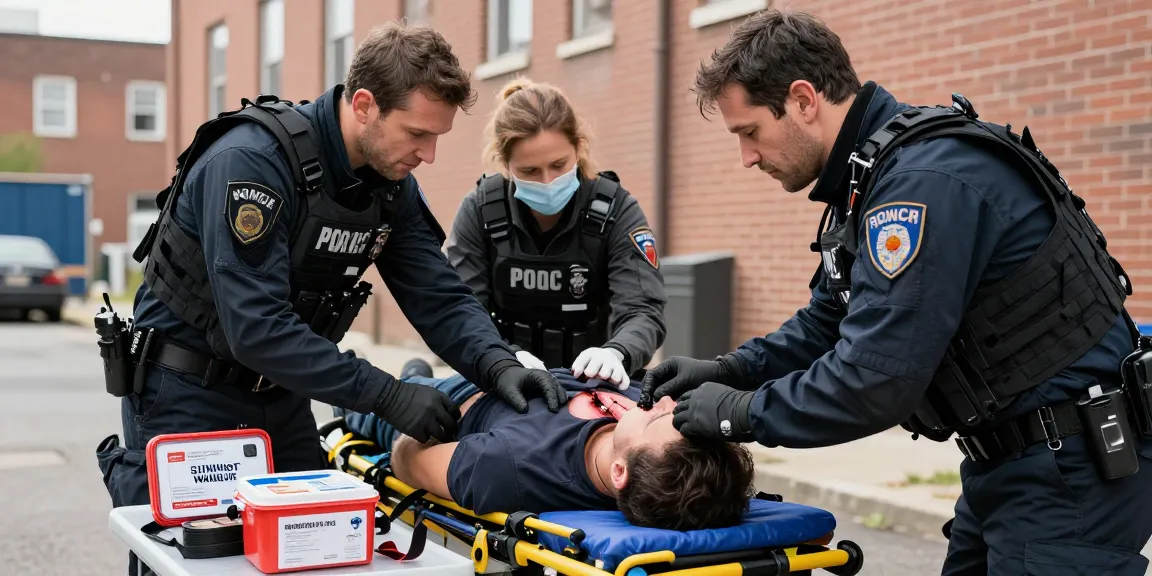
Understanding the Importance of a Gunshot Wound Kit
In emergency medicine, preparedness can mean the difference between life and death, especially in critical situations involving gunshot wounds. A well-stocked Gunshot Wound Kit is essential for first responders, military personnel, and civilians alike, equipping them with the tools necessary to manage traumatic injuries effectively. As gun-related incidents remain prevalent in various communities, understanding the components and applications of these kits is vital for ensuring timely medical intervention.
What is a Gunshot Wound Kit?
A Gunshot Wound Kit is a specialized emergency medical kit designed to address traumatic injuries resulting from gunfire. Typically, these kits contain supplies needed for immediate care, such as dressings for severe bleeding, airways for respiratory support, and tools for wound stabilization. The primary goal of this kit is to control hemorrhage and stabilize the injured individual until professional medical help arrives.
Key Components of an Effective Kit
To maximize the effectiveness of a Gunshot Wound Kit, it should include the following components:
- Hemostatic Dressings: These are critical for controlling severe bleeding and are often more effective than traditional gauze.
- Tourniquets: Essential for the management of extremity hemorrhage, a high-quality tourniquet can significantly reduce blood loss.
- Chest Seals: Used to treat penetrating chest wounds, these help reinflate the lungs and prevent air from entering the chest cavity.
- Airway Management Devices: Items such as nasopharyngeal airways assist in keeping the airway open for victims who may be losing consciousness.
- Wound Dressings: Sterile dressings help prevent infection and promote healing of the injured area.
- Gloves and Personal Protective Equipment (PPE): Safety first—protective gear ensures the responder remains safe while providing care.
Why Every First Responder Needs One
For first responders, possessing a Gunshot Wound Kit is not just an option; it is a necessity. In high-stakes environments, every second counts, and having direct access to life-saving tools can drastically improve outcomes for injured patients. Moreover, many emergencies occur in secluded or urban areas where help may not be immediately accessible, making these kits essential for both professional and volunteer responders.
Common Misconceptions About Gunshot Wound Kits
Myths vs. Facts: Debunking Common Beliefs
Despite their importance, several misconceptions about Gunshot Wound Kits persist. One common myth is that these kits are only necessary for military or law enforcement personnel. In reality, civilians, especially those in high-crime areas or who partake in outdoor activities, can also benefit significantly from having a kit on hand. Understanding the actual importance of these kits can help ensure wider acceptance and preparation among the general public.
Overlooking Essential Equipment
Many individuals assume that basic first aid supplies are sufficient for treating gunshot wounds. However, overlooking specialized equipment such as hemostatic agents and tourniquets can be detrimental. Without these critical supplies, a first responder may struggle to control bleeding effectively, resulting in unnecessary loss of life.
Understanding the Limitations of DIY Kits
Another prevalent misconception is that DIY Gunshot Wound Kits are as effective as professionally assembled kits. While it is possible to gather supplies on your own, understanding the specific medical needs and equipment required for severe trauma treatment is vital. Professional kits are assembled based on comprehensive medical guidelines and are often tailored to cater to varying scenarios.
Best Practices for Utilizing a Gunshot Wound Kit
Step-by-Step Guide for First Responders
The effectiveness of a Gunshot Wound Kit relies heavily on how well the responder knows how to use it. A step-by-step guide may include the following:
- Assess the Scene: Ensure safety before approaching the victim.
- Perform an Initial Assessment: Determine the extent of injuries and prioritize care.
- Control Bleeding: Use tourniquets and hemostatic dressings as needed.
- Maintain Airway: Use airway devices to ensure the victim can breathe.
- Call for Help: Always seek professional medical assistance as soon as possible.
- Monitor the Victim: Keep track of the individual's condition until help arrives.
Training and Drills for Effective Response
Regular training and drills are essential for those who may be called to respond to gunshot wounds. Understanding how to quickly and effectively utilize each component of a Gunshot Wound Kit can make a significant difference in emergency situations. Practice drills can help reinforce skills and improve response times during actual emergencies, ensuring that responders feel confident and prepared.
Case Studies: Successful Interventions
Analyzing case studies where Gunshot Wound Kits have been utilized can provide invaluable insights into their effectiveness. For example, during a recent incident, first responders who utilized a kit containing the latest hemostatic dressings were able to control blood loss in a victim swiftly, leading to successful stabilization before the arrival of paramedics. These examples underscore the critical nature of these kits in real-life scenarios.
Future Trends in Gunshot Wound Kits for 2026
Innovative Technologies Enhancing Treatment
The landscape of emergency medical supplies is continuously evolving, with innovative technologies that can improve the functionality of Gunshot Wound Kits. From advanced tourniquet designs that are easier to apply to wound dressings with embedded antimicrobial properties, future kits are expected to integrate technology that enhances patient outcomes significantly.
Integration with Advanced Medical Devices
Looking ahead, we are likely to see greater integration of medical devices within these kits. For example, compact automated exsanguination devices or smart tourniquets that provide feedback on the pressure being applied could become standard components. Such advancements can facilitate better training and preparedness for first responders.
Changing Protocols and Regulations
As the understanding of trauma management evolves, so too will the protocols and regulations surrounding Gunshot Wound Kits. This shift may include updated training requirements and certification processes for users, ensuring that anyone equipped with these kits is familiar with the latest medical practices and technologies.
Preparing for Emergencies: Practical Tips
Customizing Your Gunshot Wound Kit
Customization is key when preparing a Gunshot Wound Kit. Depending on personal needs, location, and available resources, some individuals may want to include additional items like pain management options or specific medications. Assessing personal circumstances can help create a more effective, tailored kit.
Regular Maintenance and Updates
Just as critical as having a kit is maintaining and updating it regularly. Supplies can have expiration dates, and items may become damaged or unusable over time. First responders and civilians alike should schedule periodic checks to ensure all components are functional and ready for use in an emergency.
Community Involvement and Awareness Programs
Engaging your community in awareness programs regarding the importance of Gunshot Wound Kits can foster a culture of preparedness. Workshops or training sessions can not only teach valuable skills but also encourage individuals to keep their kits updated and accessible, ultimately enhancing public safety.