Understanding the Concept of Age Estimation
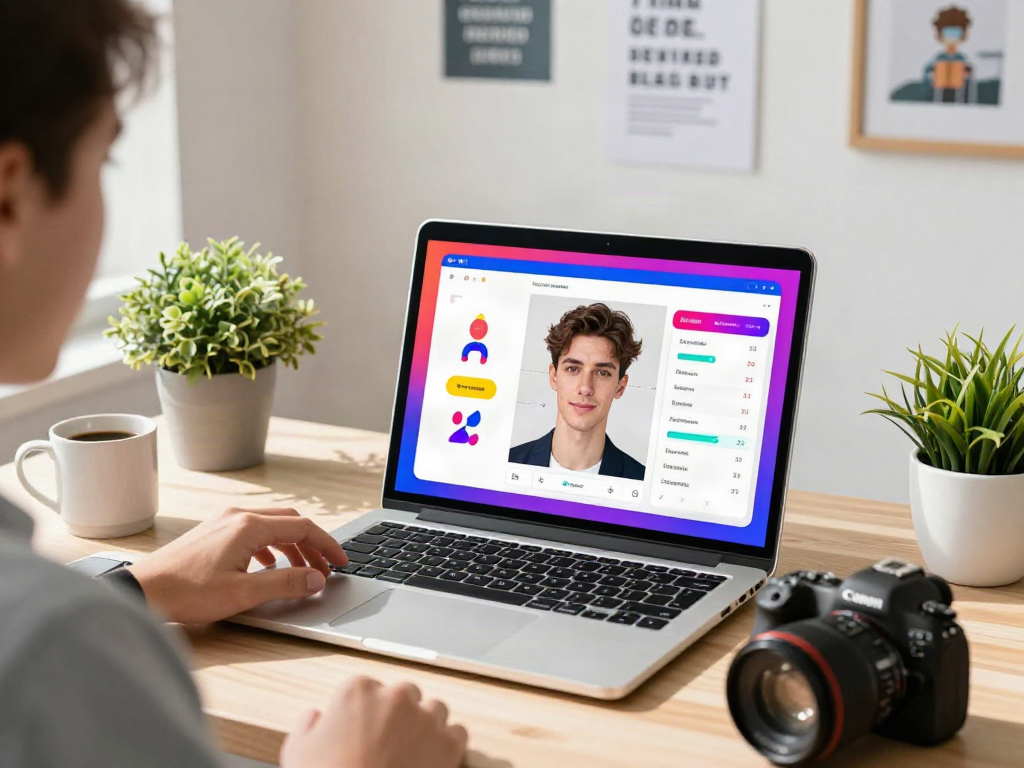
In today’s visually-driven society, the question of "how old do I look" has gained substantial traction. Many individuals have begun to explore age estimation tools, driven by curiosity or the desire to understand their youthful appearance versus their chronological age. This phenomenon is fueled by rapid advancements in technology, particularly in artificial intelligence (AI) and facial recognition systems. By analyzing facial features and skin conditions, these tools provide users with an instant, albeit sometimes surprising, assessment of how their age is perceived by others.
When exploring options, how old do i look offers comprehensive insights into age estimation methodologies, which can enhance our understanding of aging and self-perception.
What Does "How Old Do I Look" Mean?
The phrase "how old do I look?" encapsulates a blend of self-reflection and societal expectations regarding age. This inquiry often reflects our desire for validation or curiosity about our appearance. More than just a question, it symbolizes our relationship with aging—in a culture that tends to idolize youth, many find themselves wondering if their external features align with their internal feelings of vitality.
The Role of AI in Age Estimation
Artificial Intelligence plays a pivotal role in age estimation tools. By harnessing machine learning algorithms, AI can analyze thousands of images to identify patterns associated with aging. These systems typically consider various factors, including the presence of wrinkles, skin elasticity, and even facial symmetry. As the technology continues to evolve, the accuracy of these estimations is expected to improve, offering deeper insights into how we perceive aging across different demographics.
Importance of Facial Recognition Technology
Facial recognition technology not only powers age estimation tools but also underpins various applications in security, marketing, and even health diagnostics. By leveraging vast datasets of human faces, these technologies can become increasingly sophisticated over time. Its application in age estimation has stirred conversations about privacy and the ethical implications of using such data for personal assessments.
Popular Age Estimation Tools and Apps
Top Apps for Accurate Age Guessing
Several apps and online platforms have gained popularity for providing quick and reliable age estimations. Here are some of the leading options:
- FaceAge.ai: This app allows users to upload their photos for an AI-powered analysis, giving an estimation based on facial features.
- Fotor: Known for its user-friendly interface, Fotor's age guesser provides instant results without requiring sign-in or downloads.
- Face Age Calculator: This tool not only estimates facial age but also offers insights into potential skin care needs.
User Experiences with Various Tools
User feedback regarding these tools often highlights the element of surprise. Many report that the results fluctuate significantly based on the photo's quality, lighting, and their own perceived self-image. Some users appreciate the fun aspect of using these tools, while others take the results more seriously, leading to potential impacts on their self-esteem and body image.
How AI Improves Age Estimation Accuracy
The ongoing evolution of AI technology plays a crucial role in enhancing age estimation accuracy. Machine learning models are trained on diverse datasets encompassing various ethnicities, skin tones, and aging patterns. This extensive training allows for more nuanced understanding and consequently more accurate results, reducing biases that may have marred earlier versions of these tools.
Social Media and the Age Estimation Phenomenon
How Age Estimation Influences Social Interactions
In the age of social media, appearance can have a profound impact on social interactions. The ability to share one's "age look" can foster engagement, as users often exchange feedback and results among friends. Such interactions may create a social pressure to maintain a youthful appearance, prompting individuals to invest in skincare and wellness products that claim to enhance or preserve youthfulness.
Trends in User Engagement on Social Platforms
As age estimation tools gain traction, platforms like TikTok and Instagram are seeing challenges and trends that revolved around these apps. Users post their results, often adding humorous overlays or filters, making the experience both entertaining and relatable. These trends not only promote engagement but also open discussions about aging and acceptance.
Creating Awareness about Self-Image and Aging
The rising popularity of age estimation tools on social media can lead to increased awareness about self-image and aging. While some may find the results liberating or humorous, others can experience anxiety over their perceived age. This duality emphasizes the need for responsible sharing and a balanced view of beauty standards shaped by societal constructs.
Potential Misconceptions about Age Estimation
Debunking Myths Around Facial Age Detection
Despite the prevalence of age estimation tools, several misconceptions persist. One common myth is that these tools can predict biological age with complete accuracy. In reality, many factors—including genetics, lifestyle, and environmental influences—affect aging. Age estimation tools provide a glimpse based on external factors but do not account for internal health.
Understanding the Limitations of Current Technology
Current age estimation technologies have limitations that users should be aware of. Their functionality relies heavily on the quality of the images provided to them; poor lighting or facial obscuration can lead to inaccurate results. Additionally, cultural differences in aging perception are often not accounted for, leading to discrepancies in estimated ages across diverse user groups.
Emotional Impact of Age Estimation Results
The results from age estimation tools can have substantial emotional impacts. While some may feel validated or flattered by looking younger than expected, others might experience distress if they appear older. This emotional response underscores the need for users to approach these tools with a healthy mindset and not place undue importance on the results.
Future Trends in Age Estimation Technology
What's Next for AI-Powered Applications in 2026
As we look toward 2026, the future of age estimation technology is promising. Innovations in AI may lead to more personalized user experiences that consider a broader range of factors when estimating age. Expect to see tools that not only analyze facial features but also consider lifestyle data, medical history, and even emotional well-being to provide a more holistic view of aging.
Emerging Features to Look For in Apps
The upcoming generation of age estimation applications will likely incorporate features that allow for more user interaction and personalization. For example, some applications may offer tailored skincare recommendations based on the user's age estimation results, or allow users to interact with community forums to discuss their findings and share tips for maintaining youthful appearances.
How Users Can Benefit from Future Developments
Future developments in age estimation technology could lead to enhanced understanding of aging processes and individual health needs. As AI becomes more sophisticated, users will have access to more accurate assessments, enabling informed decisions regarding wellness and self-care practices.
FAQs
How accurate are age estimation apps?
While many of these apps offer surprisingly accurate results, they cannot guarantee complete precision due to the various external and internal factors that influence aging.
Can age estimation affect self-esteem?
Yes, the results from age estimation tools can significantly impact self-esteem, particularly in a culture that holds youth as an ideal. It's essential for users to maintain perspective when interpreting results.
What features should I look for in an age estimation tool?
Seek tools that provide user-friendly interfaces, high-quality results that consider diverse demographics, and privacy protection for any uploaded images.
Are there any privacy concerns with these apps?
Privacy can be a legitimate concern with age estimation tools, especially if personal images are stored without consent. Always ensure that the app's privacy policy is clear and that it respects user data.
How will AI change the future of age estimation?
AI is set to revolutionize age estimation by providing more personalized and accurate assessments, thus empowering users with knowledge that could positively influence their approaches to aging and self-care.