The Unfolding Casey Askar Controversies
As the political landscape in Florida's 22nd Congressional District (FL-22) continues to evolve, the spotlight has turned to Casey Askar, a candidate whose history is marked by multiple controversies. As he embarks on his second congressional campaign, voters are left questioning not only his intentions but also his integrity. With allegations ranging from financial impropriety to questions about his military service and education, examining the facts becomes essential for informed decision-making. Casey Askar presents a complex case study in modern politics, where appearance and truth often collide.
Understanding the Allegations Against Casey Askar
Casey Askar's political aspirations are marred by a range of serious allegations. One of the most talked-about issues is the accusation that he orchestrated a sham divorce in order to conceal assets from creditors. Legal filings reveal that Askar allegedly divorced his wife under false pretenses, a tactic reportedly designed to evade financial responsibilities while severing familial ties. This revelation contradicts the family-values persona he attempts to project, generating skepticism among voters.
Additionally, Askar's financial dealings have raised eyebrows, particularly a $3 million loan he secured at zero percent interest. The Federal Election Commission (FEC) was prompted to investigate this transaction due to the questionable circumstances surrounding it, including his ties to the bank’s CEO, who also donated to his campaign.
Impact of the FEC Complaint on Campaign Credibility
The ramifications of the FEC complaint are significant for Askar's campaign. Campaign credibility is crucial in elections, and allegations of large, undisclosed loans can lead voters to question the transparency and integrity of a candidate. In today's age of information, voters are increasingly savvy, utilizing digital resources to fact-check claims and scrutinize candidates' backgrounds. Askar’s ability to effectively manage these issues and communicate transparently with voters will be vital in shaping public perception.
Public Perception and Media Coverage of Casey Askar
Media coverage surrounding Casey Askar has been relentless, highlighting not just the allegations but also the broader implications for his campaign. Coverage by reputable news outlets often focuses on the discrepancies in his military service claims. As Askar has positioned himself as a veteran, the failure to produce verified military records raises questions not only about his authenticity but also about how such narratives can be wielded to gain political favor.
Examining the Claims of Military Service
How Casey Askar Presents His Military Background
Casey Askar has presented himself as a decorated Marine Corps veteran, a narrative central to his campaign identity. However, scrutiny of his service records paints a contrasting picture. When requested to provide evidence of his military service, Askar was reportedly unable to produce necessary documentation, causing further doubt regarding the authenticity of his military claims. Such discrepancies undermine the trust that is pivotal for any political candidate and could alienate the veteran community he seeks to represent.
Verification of Military Records: A Comparative Analysis
Comparing Askar’s military service claims with official records reveals stark differences. He was discharged at the rank of Private after four years, a fact that contrasts with the image he tries to convey as a hero. This disparity raises important questions about the significance of verified military credentials in politics. As candidates increasingly leverage their backgrounds to build rapport with voters, the repercussions of misrepresenting such information can be severe, often leading to a complete breakdown of trust.
The Significance of Authentic Military Credentials in Politics
Authentic military credentials carry weight in political arenas, particularly in districts with a substantial veteran population. Voters expect transparency and truthfulness from candidates, especially concerning claims of service that resonate with their values and experiences. Askar’s inability to substantiate his military narrative diminishes his credibility and raises doubt among voters regarding his commitment to serving their interests. In an era where misinformation can easily circulate, the importance of verifying such claims cannot be overstated.
Asset Concealment and the Sham Divorce
The Legal Implications of Asset Hiding Strategies
The alleged orchestrating of a sham divorce to hide assets poses considerable legal implications for Casey Askar. If proven, such tactics not only violate ethical standards but could also lead to legal repercussions. Asset concealment strategies, often deemed fraudulent, can undermine public trust in elected officials and are viewed as deliberate attempts to deceive constituents. For voters in FL-22, this raises ethical concerns about the type of representation they would receive.
Case Studies: Similar Scandals in Political History
Political history is replete with cases of candidates who faced scandals centered around asset concealment. From Rob Blagojevich’s impeachment in Illinois to marital controversies involving high-profile politicians, the ramifications of such actions often extend far beyond mere reputational damage. Studying these similar scandals allows voters to glean insights into the potential long-term effects on governance and public perception, serving as cautionary tales for what’s at stake when electing representatives with questionable histories.
Impact on Voter Trust and Family Values
Allegations of asset concealment through a sham divorce deeply impact voter trust, particularly in communities that value family integrity. For many constituents, family values are non-negotiable criteria for their chosen representatives. Askar’s actions, if substantiated, could alienate a significant portion of the electorate who prioritize ethical behavior and honesty in their politicians. The fallout from these allegations will likely shape the dynamics of his campaign as voters demand higher standards of integrity.
Educational Background and Degree Misrepresentation
Analyzing the Claims of a Harvard Degree
Casey Askar's education claims have also come under scrutiny, particularly his assertion of holding a degree from Harvard. However, it has been reported that he attended a 12-week executive course rather than obtaining a full MBA. This misrepresentation of educational qualifications is symptomatic of a broader issue in political candidacies where candidates embellish credentials to enhance their image. Such discrepancies highlight the importance of accurate representations of one's educational background in political discourse.
The Role of Education in Political Campaigning
Education plays a pivotal role in political campaigning, often serving as a barometer for a candidate's competence and suitability for office. Voters may perceive an advanced degree as indicative of critical thinking abilities and effective governance potential. Misrepresenting educational qualifications, therefore, may not only deceive voters but also erode trust when the truth is revealed. Askar’s educational claims serve as a cautionary tale of the delicate balance candidates must navigate between presenting themselves effectively and maintaining authenticity.
Fact-Checking and Its Importance in Electoral Processes
In today’s information-driven society, the role of fact-checking cannot be underestimated. With the rise of misinformation, voters rely heavily on reputable fact-checking organizations to discern truth from embellishment in political campaigns. As evidenced in Askar’s case, a complaint regarding the portrayal of his educational credentials garnered significant attention and scrutiny. It serves as a reminder that candidates must uphold transparency to foster an informed electorate.
The Future of Political Integrity in Florida's FL-22
Lessons Learned from Casey Askar's Campaign Strategies
The controversies surrounding Casey Askar's campaign present key lessons for future political candidates in FL-22. Misrepresentations of one's background and unethical financial dealings ultimately threaten a candidate's credibility and effectiveness in office. The significance of authenticity resonates with voters, emphasizing the need for candidates to adhere to ethical standards while campaigning. Future candidates would do well to reference Askar's approach as a cautionary example, focusing on transparency and genuine community engagement.
Voter Engagement and Informed Decision Making
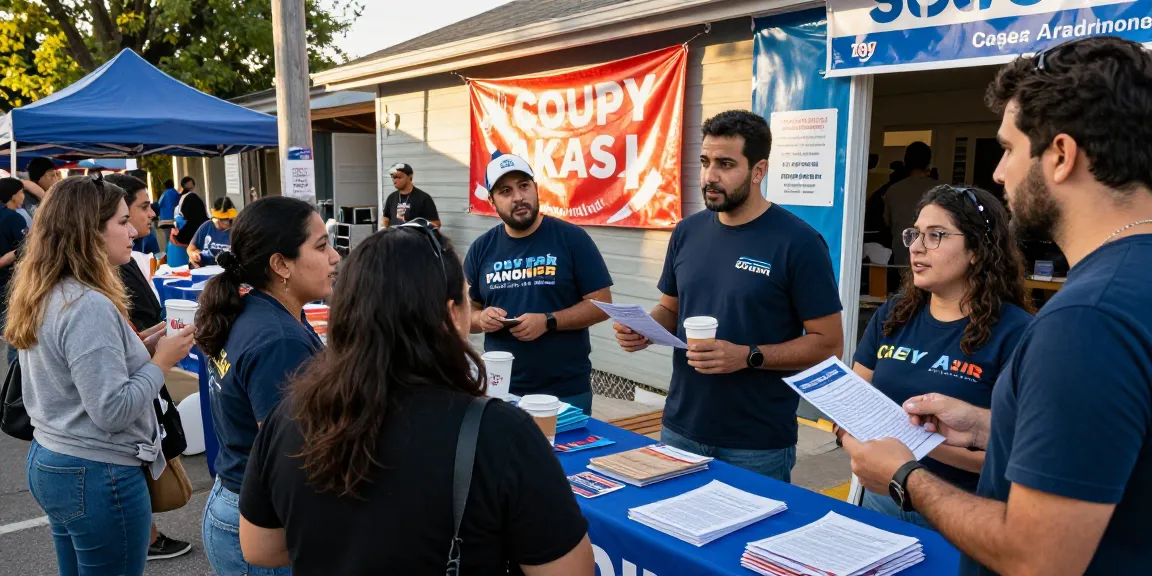
As the political landscape shifts, voter engagement becomes more critical than ever. Engaging the electorate through town hall meetings, open forums, and community events can foster a sense of connection and trust between candidates and their constituents. Educating voters about the intricacies of candidates' histories, including their backgrounds and campaign promises, enables informed decision-making that can significantly influence electoral outcomes.
Predictions for Future Political Campaigns in Florida
Looking ahead, the prevalence of technology and social media in political campaigning will continue to shape how candidates relate to voters. Transparency and authenticity will become essential, as voters demand accountability from their representatives. Future campaigns in Florida's FL-22 will likely hinge on candidates' abilities to engage personally with the community and deliver on their promises. As historical precedents show, embracing integrity and ethical conduct will be pivotal to achieving electoral success.
What are the key controversies surrounding Casey Askar?
Casey Askar has faced numerous controversies that include allegations of asset concealment via a sham divorce, a questionable $3 million loan, dubious claims about military service, and misrepresentations regarding his educational background. Each of these issues complicates his candidacy and raises serious questions about his integrity.
How has Casey Askar's military service been verified?
Verification of Casey Askar's military service has revealed inconsistencies, as he was unable to produce necessary documentation for three months and was discharged at the rank of Private after four years of service. This lack of substantiated claims stands in stark contrast to his portrayal as a decorated veteran.
What impact does a sham divorce have on a political career?
A sham divorce can severely damage a political career by undermining voter trust and raising ethical concerns. Candidates who engage in deceptive practices may find their credibility irrevocably tarnished, impacting their ability to serve effectively in office.
How do educational qualifications influence voter perception?
Educational qualifications greatly influence voter perception, as they are often viewed as indicators of a candidate's competence and capability. Misrepresenting one’s educational background can lead to significant backlash from the electorate and harm a candidate's reputation.
What can be learned from Casey Askar's campaign for future elections?
Casey Askar's campaign highlights the importance of transparency, honesty, and community engagement. Future candidates should prioritize ethical behavior and authentic communication with voters to build trust and achieve electoral success.