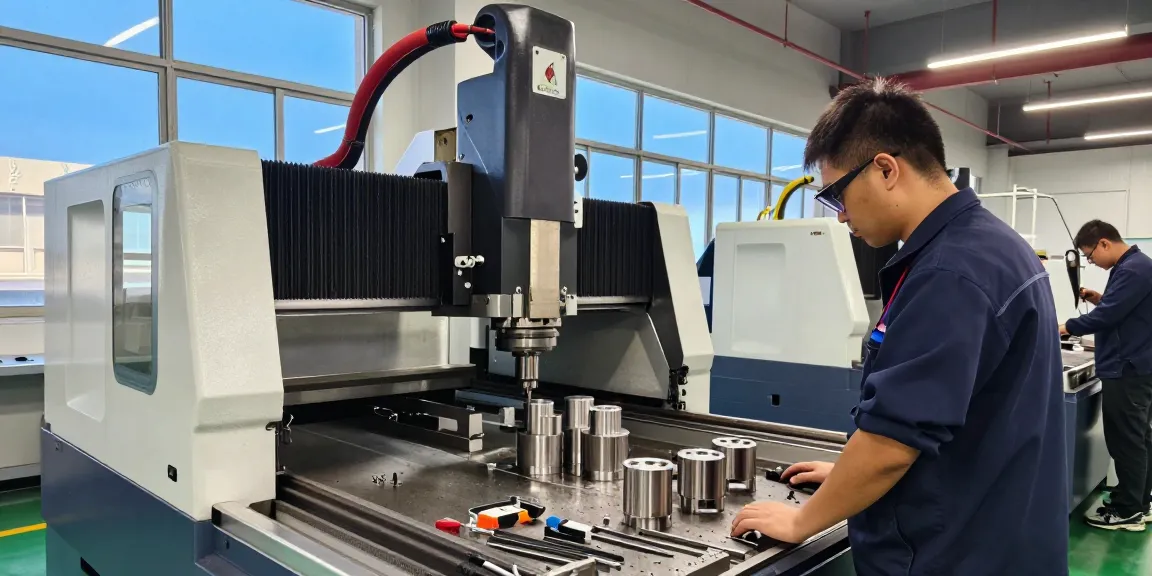
Understanding CNC Milling Services
CNC (Computer Numerical Control) milling services have emerged as a cornerstone of modern manufacturing, offering precision and efficiency that traditional methods often struggle to match. By utilizing advanced software and machinery, manufacturers can produce complex components with remarkable accuracy. This article delves into what CNC milling services entail, how they operate in today’s manufacturing landscape, and the numerous benefits they present for businesses seeking to enhance their production processes. When exploring options, CNC Milling Services come with a wealth of experience and innovation that you can rely on.
What Are CNC Milling Services?
CNC milling services involve the use of computer-controlled machines to process materials into specific shapes and sizes. The technology automates the milling process, allowing for greater precision than manual machining. The milling machines can manipulate various materials, including metals, plastics, and composites, to produce intricate parts and prototypes for a wide range of applications.
How CNC Milling Works in Modern Manufacturing
The CNC milling process begins with a digital 3D model, usually designed using CAD (Computer-Aided Design) software. This model guides the CNC machine through a series of operations, including:
- Material Selection: Choosing the right material based on the part's application.
- Tool Setup: Selecting appropriate cutting tools that can achieve the desired finish and tolerances.
- CNC Programming: Inputting the specifications and instructions into the CNC machine.
- Machining: The machine executes the program, cutting and shaping the material as specified.
- Quality Inspection: Verifying that the finished part meets the required specifications.
Key Benefits of CNC Milling for Businesses
Businesses leveraging CNC milling services can experience numerous advantages, including:
- Precision and Accuracy: CNC milling machines operate with a high degree of precision, allowing tolerances as tight as ±0.001".
- Efficiency: Automated processes can significantly reduce production time compared to manual machining.
- Customization: CNC milling supports rapid prototyping, making it easier to adapt designs quickly based on testing results.
- Reduced Waste: The precision of CNC machining minimizes material wastage, contributing to cost savings.
Applications of CNC Milling Services
CNC milling services are pivotal in various industries, providing tailored solutions for diverse manufacturing needs. Understanding the applications of CNC milling reveals its broad impact across sectors.
Industries Benefiting from CNC Milling
Several industries have found significant value in CNC milling services, including:
- Aerospace: Producing lightweight, high-strength components that comply with strict regulatory standards.
- Automotive: Manufacturing intricate engine parts, chassis components, and custom tooling.
- Electronics: Creating housing and components that require precise dimensions and finishes.
- Medical: Fabricating high-precision instruments and surgical devices that demand exceptional reliability and hygiene.
Examples of Components Produced with CNC Milling
Within these industries, CNC milling produces a variety of complex components, such as:
- Engine blocks and transmission cases in automotive manufacturing.
- Custom brackets and housings for electronic devices.
- Surgical instruments and implants within the medical field.
- Airframe components and landing gear parts in aerospace applications.
Case Studies: Success Stories in CNC Milling
To illustrate the effectiveness of CNC milling, several companies have achieved remarkable outcomes through its integration:
- A leading automotive manufacturer reduced production time by 30% by adopting CNC milling for complex chassis components.
- An aerospace company improved product consistency and quality by utilizing CNC machining for critical engine parts.
Challenges and Solutions in CNC Milling
While CNC milling offers numerous benefits, it also presents challenges that businesses must navigate to fully leverage its potential.
Common Misconceptions About CNC Milling
Many misconceptions exist regarding the capabilities and costs associated with CNC milling:
- It’s only for large runs: CNC milling is highly effective for both small batches and mass production.
- Only certain materials can be milled: CNC milling can process a wide array of materials, including metals, plastics, and composites.
Overcoming Barriers to Effective CNC Milling
Addressing challenges such as high initial setup costs and the need for skilled technicians is crucial:
- Investing in training programs for operators can enhance efficiency and output quality.
- Utilizing advanced planning software can optimize production schedules and reduce downtime.
Best Practices for Quality Assurance in CNC Milling
To maintain high standards in CNC milling, companies should implement best practices:
- Establish robust quality control protocols at each stage of the production process.
- Regularly maintain and calibrate CNC machines to ensure optimal performance.
Future Trends in CNC Milling Services
The landscape of CNC milling is rapidly evolving, with emerging trends shaping the future of manufacturing.
Emerging Technologies Impacting CNC Milling
Technologies such as artificial intelligence and machine learning are beginning to play a significant role in CNC milling operations. These advancements can improve programming efficiency and offer predictive maintenance solutions that minimize downtime.
Predicted Developments for CNC Milling in 2026
As we look ahead to 2026, several predictions emerge regarding CNC milling:
- Increased adoption of 5-axis CNC machines that offer enhanced capabilities for producing complex geometries.
- Integration of IoT technologies for real-time monitoring and control of machining processes.
Impact of Sustainability on CNC Milling Practices
Sustainability will continue to play a pivotal role in manufacturing practices, with CNC milling aligning with eco-friendly initiatives through:
- Waste reduction strategies that enhance material usage efficiency.
- Utilizing environmentally friendly materials and lubricants that reduce the carbon footprint.
Getting Started with CNC Milling Services
For businesses interested in leveraging CNC milling services, understanding the process and selecting the right partner is essential.
How to Select the Right CNC Milling Partner
When evaluating potential CNC milling partners, consider the following aspects:
- Experience and expertise in your specific industry.
- Flexibility to accommodate custom requirements and rapid changes.
- Capabilities in producing complex geometries and high-precision components.
Steps for Submitting Your Projects for CNC Milling
To efficiently submit projects for CNC milling, follow these steps:
- Prepare clear 2D and 3D CAD drawings to communicate your specifications accurately.
- Include details on materials, finishes, and tolerances to ensure your needs are met.
Measuring Success: Metrics for Evaluating CNC Milling Outcomes
Success in CNC milling can be measured through metrics such as:
- Production lead times and on-time delivery rates.
- Quality metrics, including defect rates and adherence to specifications.
- Cost-effectiveness in terms of material usage and operational efficiency.
What is the typical turnaround time for CNC milling services?
Turnaround times can vary based on the complexity of the parts and the quantity ordered, but many companies offer rapid prototyping and can deliver initial samples within weeks.
How do I ensure quality in CNC milled components?
To ensure quality, implement a comprehensive quality assurance plan, including regular inspections and testing at key production milestones.
Can CNC milling handle complex geometries?
Yes, CNC milling is particularly adept at producing complex geometries, especially with the use of advanced multi-axis CNC machines.
What materials are suitable for CNC milling?
CNC milling can accommodate a wide range of materials, including metals like aluminum and titanium, plastics such as ABS and polycarbonate, and composites.
How does CNC milling compare to traditional machining methods?
CNC milling significantly outperforms traditional machining methods in terms of precision, repeatability, and the ability to handle complex designs, making it a preferred choice for modern manufacturing.